
About Raghurajpur
A Living Heritage Craft Village of Odisha
Raghurajpur is a historic artisan village located near Puri in the state of Odisha, India. Known for its vibrant traditions of Pattachitra painting, palm leaf engraving, and classical cultural practices, the village represents a unique example of a living heritage community where art, devotion, and everyday life are deeply connected.
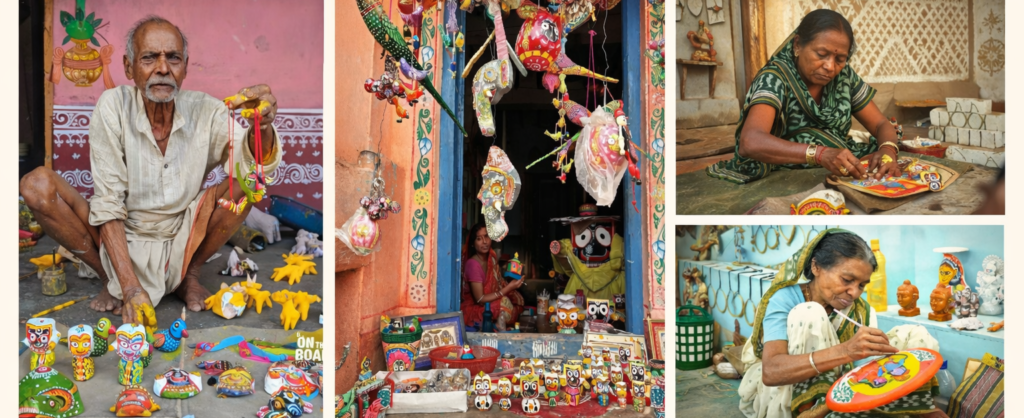
The Origin and Historical Legacy of Raghurajpur
Over 500 years ago, the village of Raghurajpur was established as a settlement of skilled artisans under the patronage of the Gajapati kings of Odisha. Located close to the sacred city of Puri, the village became closely associated with the rituals and artistic traditions of the Jagannath Temple.
Artisan families were invited to create religious paintings, palm leaf manuscripts, temple decorations, and ceremonial crafts used in temple rituals. Over generations, these families preserved their techniques through apprenticeship and oral tradition.
Because of this deep connection between art, devotion, and daily life, Raghurajpur gradually evolved into one of the most significant centers of traditional craftsmanship in eastern India.
A Village Where Every Home is an Art Studio
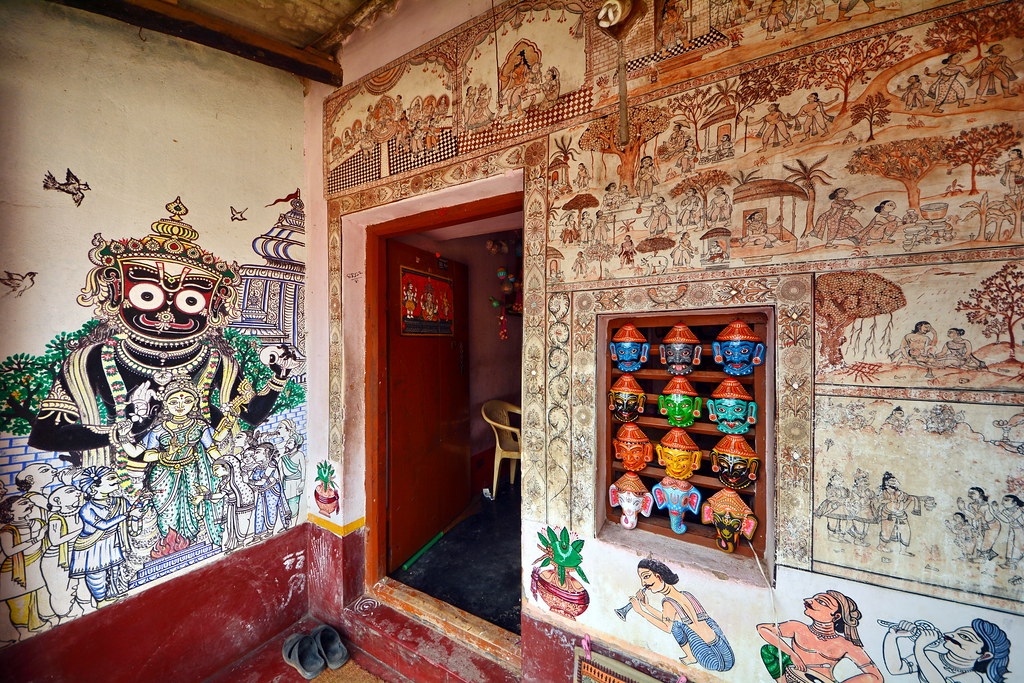
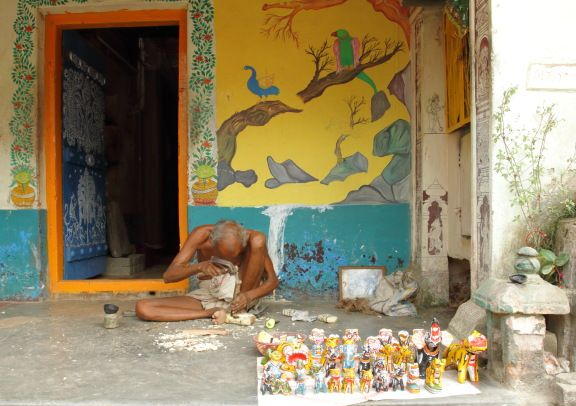
One of the most remarkable aspects of Raghurajpur is that artistic practice is deeply woven into everyday life. Nearly every household in the village participates in traditional craftsmanship, transforming the entire settlement into a vibrant community of artists.
Children grow up observing their parents and elders creating intricate paintings, engravings, and decorative crafts. Through constant practice and guidance, these techniques are passed from one generation to the next, preserving a unique artistic legacy.
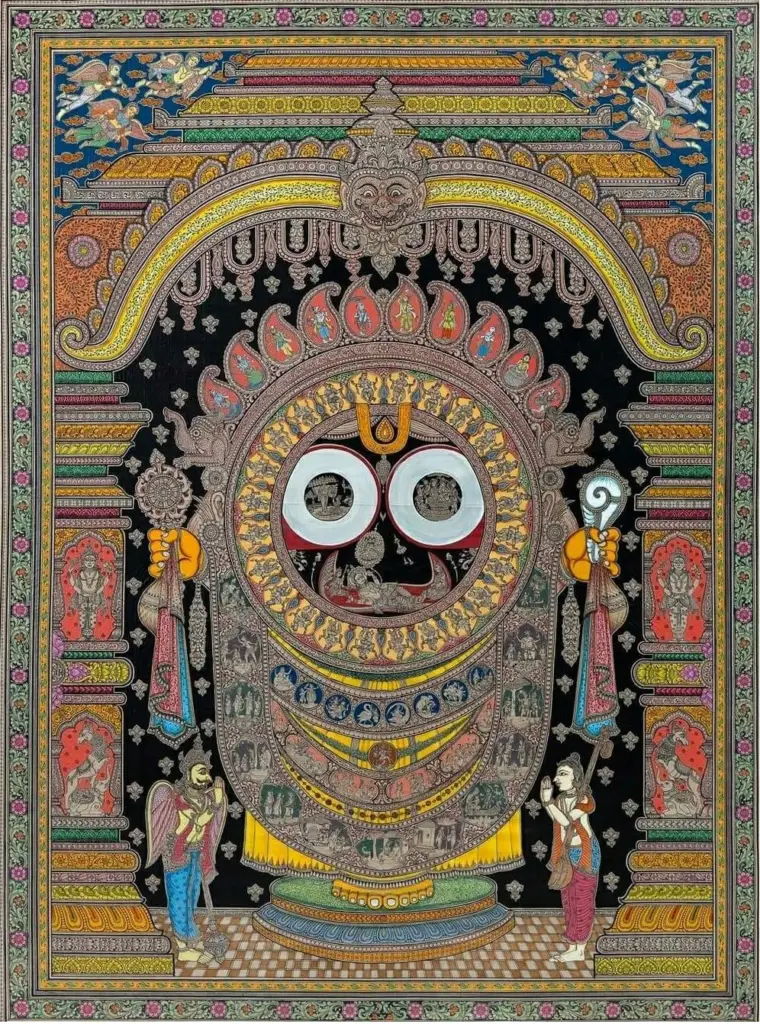
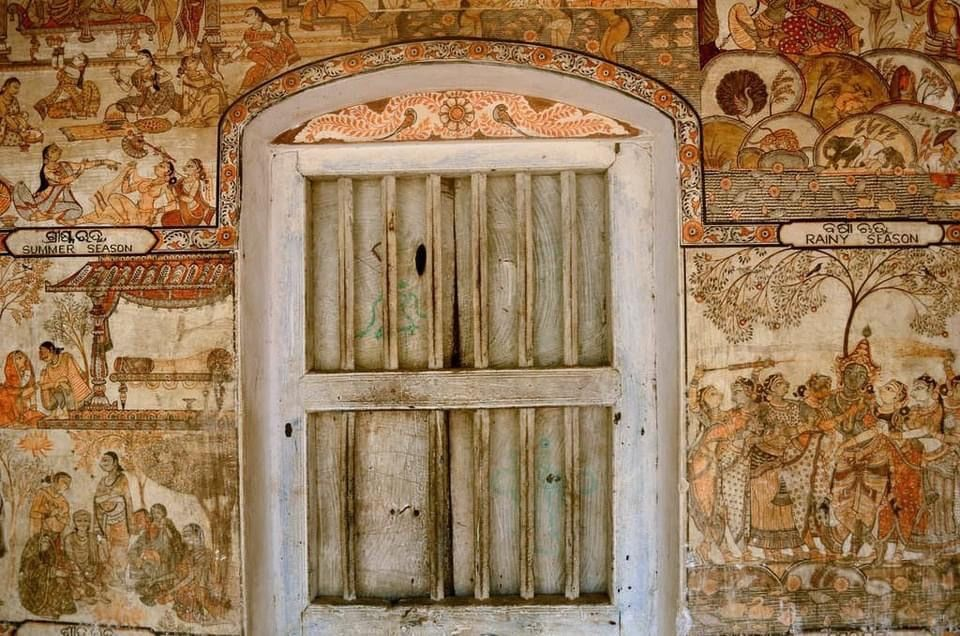
Among the most celebrated art forms of the village is Pattachitra painting, known for its bold lines, mythological storytelling, and natural pigments derived from stones, plants, and conch shells. Another distinctive craft is palm leaf engraving, where delicate illustrations and sacred narratives are etched onto dried palm leaves using fine metal tools.
The Cultural Soul of Raghurajpur
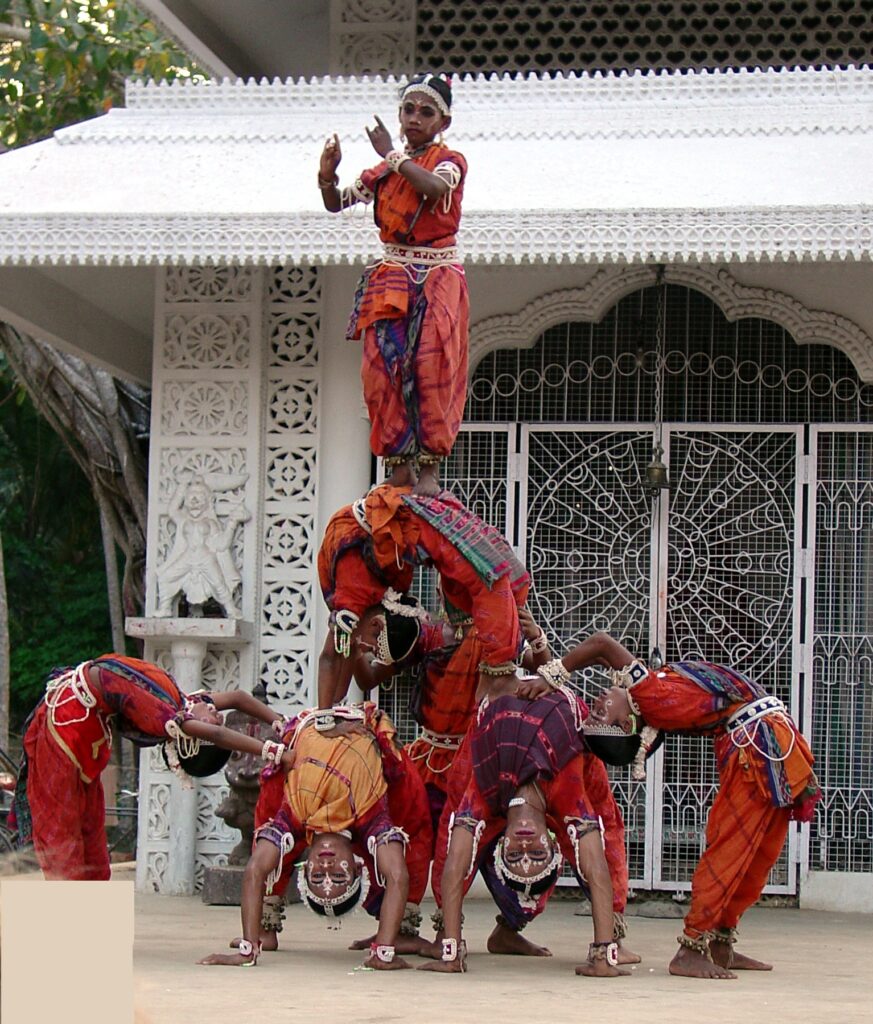
Raghurajpur is not only known for its remarkable craftsmanship but also for its vibrant cultural traditions. One of the most celebrated cultural practices of the village is the classical dance form known as Gotipua.
Gotipua is a traditional dance performed by young boys dressed in elaborate costumes and expressive makeup. The dance combines graceful movements, acrobatic poses, and devotional storytelling inspired by the legends of Lord Krishna.
Many of the dancers train from a young age in local Gurukuls, where discipline, devotion, and artistic excellence are passed down through dedicated teachers. This living tradition continues to preserve a significant chapter of Odisha’s cultural heritage.
Recognition and Global Appreciation
Over the years, Raghurajpur has gained widespread recognition as one of India’s most important heritage craft villages. Its unique tradition of preserving ancient art forms within a living community has attracted the attention of cultural organizations, researchers, and art enthusiasts from around the world.
The village has been acknowledged for its contribution to safeguarding traditional crafts such as Pattachitra painting, palm leaf engraving, and other decorative arts. Visitors often travel to Raghurajpur not only to purchase authentic artwork but also to witness the artistic process directly from the artisans themselves.
Through cultural initiatives, tourism programs, and heritage preservation efforts, Raghurajpur continues to inspire appreciation for India’s rich artistic traditions while supporting the livelihoods of local artisan families.
Traditional Crafts
Centuries-old art practices preserved by artisan families.
Cultural Tourism
Visitors from across the world explore the heritage village.
Heritage Preservation
Efforts continue to protect and promote traditional knowledge.
Preserving Tradition for Future Generations
As the world continues to change, the community of Raghurajpur remains deeply committed to preserving its artistic heritage. Generations of artisans continue to practice and refine their traditional crafts while also finding new ways to share their work with wider audiences.
Younger members of artisan families are increasingly combining traditional knowledge with modern creativity, ensuring that these art forms remain relevant in contemporary times. Workshops, cultural programs, and responsible tourism initiatives have further strengthened efforts to support local artists and safeguard their cultural identity.
Through dedication, creativity, and community spirit, Raghurajpur continues to stand as a living example of how heritage traditions can thrive while embracing the future.